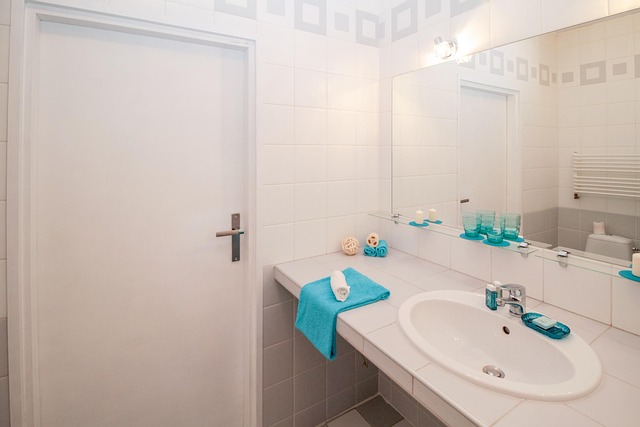
Luxury Micro-Apartments: Urban Living in Albany's Heart
Luxury micro-apartments in downtown Albany, driven by demand for flexible urban living, offer compact yet sophisticated short-term apartment rentals........
Read more →
This comprehensive guide empowers individuals and businesses to navigate the short-term rental market in Albany efficiently. Whether you're a beginner looking to list your first property or an experienced host seeking to optimize your rental strategy, this homepage offers actionable steps, checklists, and troubleshooting advice tailored to Albany's unique rental landscape. By following these workflows, you'll ensure a successful and stress-free short-term rental experience.
Actionable Steps:
Research Local Regulations: Familiarize yourself with Albany's zoning laws and short-term rental regulations. As of 2022, the city allows primary residences to be rented short-term, but certain neighborhoods have restrictions. Check the Albany City Website for detailed information.
Analyze Market Demand: Study the local tourism trends and seasonal variations in demand. Albany's cultural events, like the Albany International Film Festival (held annually in March), attract visitors, boosting rental potential.
Compare with Long-Term Rentals: Understand the price differences and occupancy rates of short-term versus long-term rentals. According to a 2021 study, short-term rentals in Albany can fetch up to 30% more than traditional rentals, especially during peak seasons.
Resources:
Beginner Level:
Basic Upkeep: Conduct a thorough cleaning and repair of your property. Ensure all appliances work, and consider a fresh coat of paint to enhance curb appeal.
Essential Furnishings: Stock your rental with essential furniture, bedding, and kitchenware. Aim for a comfortable and homely atmosphere.
Intermediate Level:
Create a Welcome Kit: Prepare a package with local recommendations, house rules, and emergency contact information. This personal touch enhances guest satisfaction.
Install Smart Home Technology: Consider smart locks and voice-controlled lighting for a modern and secure experience. These features are increasingly sought after by travelers.
Advanced Level:
Design a Unique Space: Collaborate with an interior designer to create a themed or specialized accommodation. For instance, a 'Mini-Suite' or 'Artistic Loft' can attract specific niches.
Implement Sustainability Features: Install energy-efficient lighting and appliances, and offer eco-friendly amenities like organic bedding and reusable towels.
Resources:
Decision Point: Select from popular short-term rental platforms like Airbnb, Booking.com, or Vrbo, each with its advantages and user base.
Pros and Cons Table:
| Platform | Pros | Cons |
|---|---|---|
| Airbnb | Wide global reach, detailed guest reviews, and flexible pricing. | High competition, 3% service fee for hosts. |
| Booking.com | Established brand, robust search filters, and a loyal customer base. | Limited customization options for listings. |
| Vrbo | Focuses on vacation rentals, high booking rates, and direct communication with guests. | Lower visibility for urban properties, 10% service fee. |
Implementation Checklist:
Create an Account: Sign up on your chosen platform, providing accurate property details and high-quality photos.
Set Pricing: Use the platform's pricing tools, considering seasonality and comparable listings.
Define House Rules: Outline expectations for check-in, check-out, and guest behavior.
Actionable Steps:
Write a Compelling Description: Highlight unique features, local attractions, and amenities. Use keywords that match guest searches, e.g., 'pet-friendly' or 'city views'.
Optimize Photos: Include diverse angles, showcase local landmarks, and display property highlights. High-quality images increase booking chances by up to 70%, according to a 2020 study.
Respond Promptly: Engage with potential guests by responding to inquiries within 24 hours. Quick responses boost your listing's visibility.
Troubleshooting:
Beginner Level:
Check-In Process: Establish a seamless check-in routine, providing clear instructions and a welcome package.
Communication: Maintain open lines of communication, addressing guest queries promptly.
Intermediate Level:
Personalized Experience: Offer local recommendations tailored to guests' interests, enhancing their stay.
Regular Maintenance: Conduct routine inspections between stays to maintain property standards.
Advanced Level:
Guest Engagement: Organize community events or provide exclusive experiences to foster guest satisfaction and encourage repeat bookings.
Feedback Mechanism: Implement a post-stay survey to gather feedback and improve your hosting experience.
Financial Considerations:
Legal Checklist:
Insurance: Obtain a rental insurance policy to protect your property and liability.
Lease Agreements: For long-term tenants, draw up clear lease agreements outlining terms and expectations.
Privacy and Security: Familiarize yourself with privacy laws and implement secure communication methods.
Scaling Strategies:
Diversify Your Portfolio: Consider expanding with additional properties or specialized accommodations to cater to diverse guest preferences.
Partner with Local Businesses: Collaborate with hotels, restaurants, or tour operators to offer bundled experiences, increasing guest satisfaction and your revenue.
Online Presence: Invest in search engine optimization (SEO) to improve your listing's online visibility and attract a broader audience.
Industry Statistics (2022):
Common Issues:
Support Resources: